

Hojicha vs Matcha: Two Popular Japanese Teas With Distinctly Different Tastes
Both come from the same camellia sinensis plant. One is roasted over charcoal until it turns the color of autumn wood; the other is shade-grown and stone-ground into a jewel-green powder. Here's how hojicha and matcha compare in taste, cooking, cultivation, cost, and preparation — including their powdered forms.
```Taste: Roasted Warmth vs. Grassy Umami
The biggest difference between hojicha and matcha comes down to how the leaf is processed after harvest. Roasting mellows hojicha into something closer to coffee or cocoa, while matcha's shade-growing and stone-milling concentrate the leaf's natural umami and sweetness.
```Hojicha Roasted
Hojicha is made by roasting green tea leaves, stems, and twigs at high heat, which drives off much of the bitterness and caffeine found in unroasted green tea. The result is a warm, amber-colored cup with nutty, toasty, faintly caramel notes — closer in spirit to roasted barley tea or light coffee than to a typical green tea.
Hojicha Powder carries the same roasted profile but in concentrated, milled form. Because the whole leaf is consumed rather than steeped and discarded, the flavor comes through even more intensely, with playful notes of cocoa alongside the classic roasted, earthy character.
Matcha Shade-Grown
Matcha is a vivid green, stone-ground powder made from shade-grown tea leaves. Shading the plant before harvest boosts chlorophyll and L-theanine, giving matcha its signature grassy, vegetal, umami-forward taste with a lingering natural sweetness. It's more intense and more caffeinated than steeped green tea, since the whole leaf is consumed.
Ceremonial Matcha is the highest grade: a deep, mellow taste with a smoother, less bitter finish and an elegant aroma, made from the youngest, most tender first-harvest leaves.
"It tastes richer than the other brand I was using... smooth, and I feel better knowing it is certified organic." — verified customer review
```Uses: As a Tea and as an Ingredient
Both teas do double duty in the kitchen — steeped as a comforting cup, and stirred, whisked, or baked into everything from lattes to layer cakes.
```🍂 Hojicha as a Drinking Tea
Because roasting lowers its caffeine and tannin content, hojicha is a gentle, soothing tea that's easy to drink any time of day — including the evening. It's traditionally served after meals in Japan and pairs naturally with rice-based dishes.
🍵 Matcha as a Drinking Tea
Matcha is traditionally whisked with hot water into a frothy bowl of tea, as in the Japanese tea ceremony. It's also the base for the modern matcha latte, blended with steamed milk and lightly sweetened.
🍫 Hojicha Powder in Cooking & Baking
Hojicha Powder's roasted, cocoa-like notes make it a natural stand-in for cocoa powder or coffee in baking. Whisk it into lattes, fold it into cookie dough, layer cakes, or ice cream bases, or dust it over pastries for a distinctly Japanese, toasty flavor.
🌿 Matcha in Cooking & Baking
Matcha's concentrated color and umami make it popular in cheesecakes, cookies, mochi, ice cream, and smoothies. Because whole leaf powder is used, a little goes a long way, and the vivid green color holds up beautifully in baked goods.
Cultivation: From Field to Powder
Both teas begin as camellia sinensis, the same plant used for green, black, and oolong teas — the difference lies entirely in how each is grown and processed afterward.
```How Hojicha Is Made
Hojicha typically starts as sencha green tea — leaves, stems, and twigs grown in full sun rather than shaded. After steaming and drying, the tea is roasted over high heat, a step that converts its green color to reddish-brown and transforms its chemistry, mellowing bitterness and reducing caffeine along the way.
Hojicha Powder goes a step further: the roasted leaf is milled to a silky-smooth powder, so nothing is left behind after steeping.
How Matcha Is Made
Matcha begins with tencha, a green tea grown under shade cloth for several weeks before harvest to boost chlorophyll and amino acids. After steaming, the leaves are dried and de-stemmed, then stone-milled slowly into an ultra-fine powder to avoid heat damage.
Ceremonial-grade matcha uses only the youngest, most tender first-flush leaves, hand-picked at optimal ripeness — a slower, more labor-intensive process than standard culinary matcha.
All four teas from Sullivan Street Tea & Spice Company are certified organic, grown without synthetic pesticides.
```Popularity: Everyday Comfort vs. Global Trend
In Japan, both teas are household staples — but outside Japan, they've traveled very different paths to popularity.
Hojicha's Rise
Long a daily, unassuming tea in Japanese homes and restaurants (often served free with meals), hojicha has recently found a second life abroad as a low-caffeine, dessert-friendly alternative to matcha — showing up in hojicha lattes, soft-serve, and baked goods at specialty cafés.
Matcha's Global Boom
Matcha has become one of the most recognizable Japanese exports in the world, propelled by the wellness and café culture's love of matcha lattes, matcha desserts, and its ties to mindfulness and the traditional tea ceremony. Ceremonial-grade matcha in particular is prized by purists and tea enthusiasts for its depth and traditional preparation.
Cost: What to Expect Per Cup
Because ceremonial matcha requires shade-growing, hand-picking, and slow stone-milling, it commands the highest price of the four. Hojicha, roasted from more mature leaves and twigs, is the most affordable entry point.
```| Product | 2 oz | 4 oz | 8 oz / 1 lb | Yield |
|---|---|---|---|---|
| Hojicha (Loose Leaf) | $13.00 | $23.40 | $44.20 (8oz) / $62.40 (1 lb) | 15–60+ cups |
| Organic Hojicha Powder | $16.00 | $28.80 | $54.40 (8oz) / $83.20 (1 lb) | 15–60+ cups |
| Premium Organic Matcha | $22.00 | $39.60 | $123.20 (1 lb) | 20–40+ cups |
| Organic Ceremonial Matcha | $38.00 per 1.41 oz (40g) tin | ~20 cups | ||
Pricing reflects Sullivan Street Tea & Spice Company listings at time of writing and may change.
```Preparation Methods
Hojicha is steeped like a conventional loose leaf tea; matcha is whisked, not steeped, since the whole powdered leaf is consumed.
```| Product | Amount | Water Temp | Time | Method |
|---|---|---|---|---|
| Hojicha | 1 tsp / 8 oz | 170°F (77°C) | 3 minutes | Steep loose leaf in an infuser |
| Hojicha Powder | 1 tsp / 3 oz | 170°F (77°C) | 2 minutes | Whisk into water, then top with steamed milk for a latte |
| Matcha | 1 tsp (2g) / 8 oz | 160°F (71°C) | 30 seconds | Whisk briskly with a bamboo chasen until frothy |
| Ceremonial Matcha | 1 flat tsp (2g) / 8 oz | 160°F (71°C) | 30 seconds | Whisk with a bamboo chasen into a smooth, creamy infusion |
Shop Organic Hojicha & Matcha
All four teas below are certified organic and sourced directly from Japanese growers by New York's Sullivan Street Tea & Spice Company.
```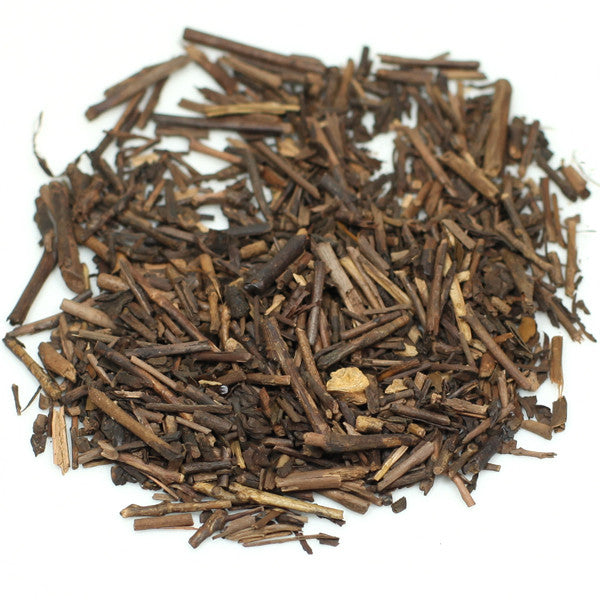
Hojicha Roasted Green Tea
Consists of the twigs, stems, and leaves of the tea tree, roasted to a nutty, mildly sweet perfection. Derived from Japanese sencha, the roasting process results in an amber infusion with little to no bitterness and lower caffeine. Steep 1 generous teaspoon per 8 oz. cup for 3 minutes at 170°F.
Shop Hojicha →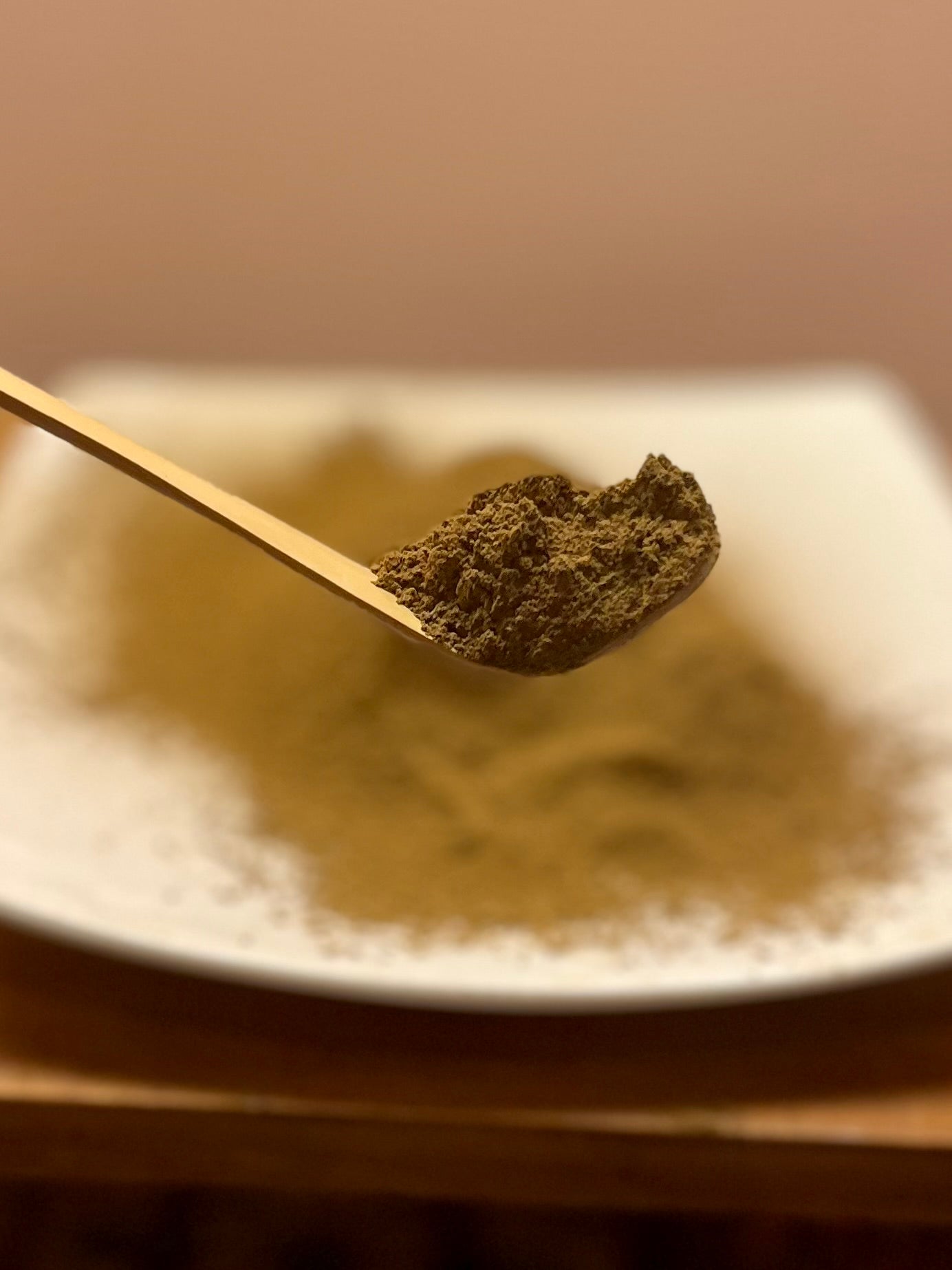
Organic Hojicha Powder
Straight from Kyoto's legendary tea fields, these leaves are steamed, rolled, dried, and roasted to perfection, unlocking playful notes of cocoa and earthy goodness. Milled to silky smoothness, it dissolves easily into lattes and desserts. Whisk 1 tsp with 3 oz. of 170°F water, then top with steamed milk for a hojicha latte.
Shop Hojicha Powder →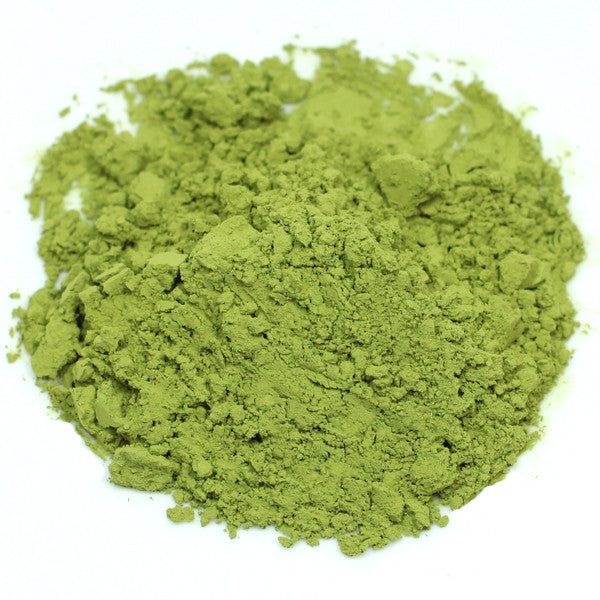
Premium Organic Japanese Matcha
A smooth-tasting organic matcha from Kyoto, Japan, offering all the healthful properties green tea has to offer. Whisk 1 flat teaspoon (2g) into semi-hot water at 160°F using a bamboo matcha whisk (chasen) until it fully dissolves into a creamy, light green infusion.
Shop Matcha →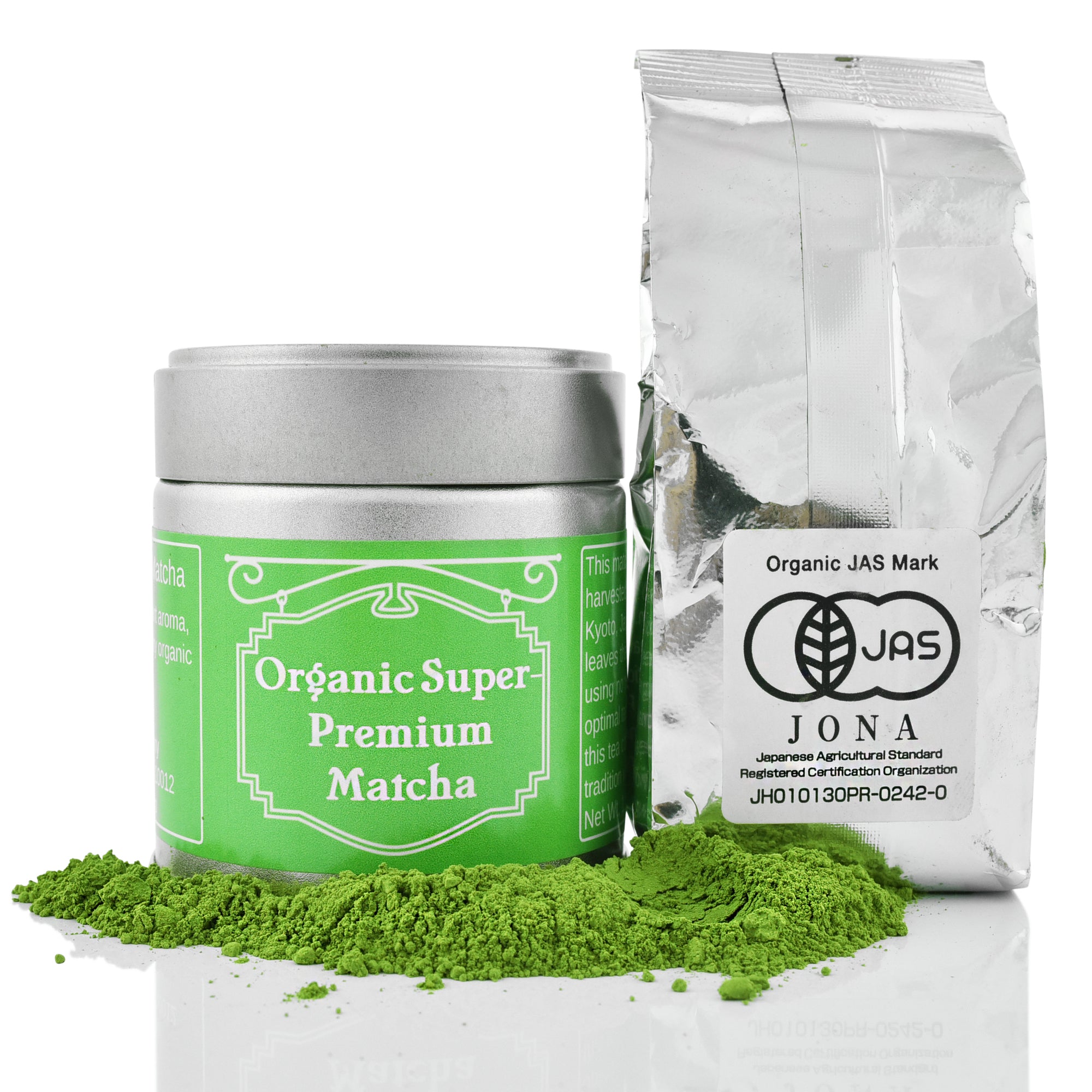
Matcha – Organic Premium Ceremonial
Deep mellow taste, elegant aroma, and bright color define this Super-Premium grade matcha, artfully grown and hand-picked by a devoted father-and-son team in Kyoto. Sealed in a high-barrier bag inside a rubber-sealed steel tin for freshness. Whisk 1 flat teaspoon (2g) into 160°F water until it forms a creamy, light green infusion.
Shop Ceremonial Matcha →


